Tag

DisplayPort

11/09/2017

NEW Mini DisplayPort Adapters

We are pleased to announce we have added two new mini DisplayPort adapters to enhance our current range. These new mini DisplayPort adapters give you flexibility when needed. These multi-port adapters will allow you to connect one of three monitors at any given time, this is ideal for situations where you do not know what monitor/equipment is at a location, i.e field sales executives. For full specifications and information either click on the link or image below.. The HDMINIDP-HDD04 adapter allows the use of a mini DisplayPort source to either HDMI,... Read More

06/04/2017

DisplayPort Cables

We are pleased to introduce our new range of mini DisplayPort cables. Mini DisplayPort is the same as DisplayPort but smaller for use on various devices where a big connector is not really needed. Due to the thinner cable used, some of the cable lengths are unable to carry the full bandwidth. These cables use 32awg wire with an overall diameter of 4.8mm. They have 19pins connected as some cables with the power pin connected can damage equipment. Both our DisplayPort and mini DisplayPort cables have the power pin disconnected.... Read More

06/04/2017

DisplayPort Explained

DisplayPort is quite confusing and we have a number of products to meet your DisplayPort needs. First of all lets take a look at what it is.. DisplayPort is a digital display interface developed by the Video Electronics Standards Association (VESA). The interface is primarily used to connect a video source to a display device such as a computer monitor, though it can also be used to carry audio, USB, and other forms of data. VESA designed it to replace the common connections of VGA and DVI. DisplayPort is backward... Read More

05/04/2017

USB Type C

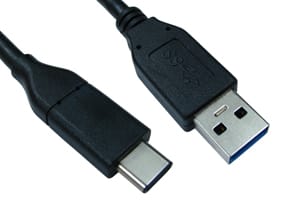
Universal Serial Bus Type C – Not really “Universal”. USB can be confusing at times and now it gets more complicated! The type C connector seems to be the way forward as in one connector to connect them all, but with this technology slowly coming in to the market due to not all manufacturers adopting it, you will need backwards compatible adapters/cables. Another problem you have on the market is proprietary connectors but that’s something for manufacturers to sort out. We have a few variations of USB type C cables... Read More